
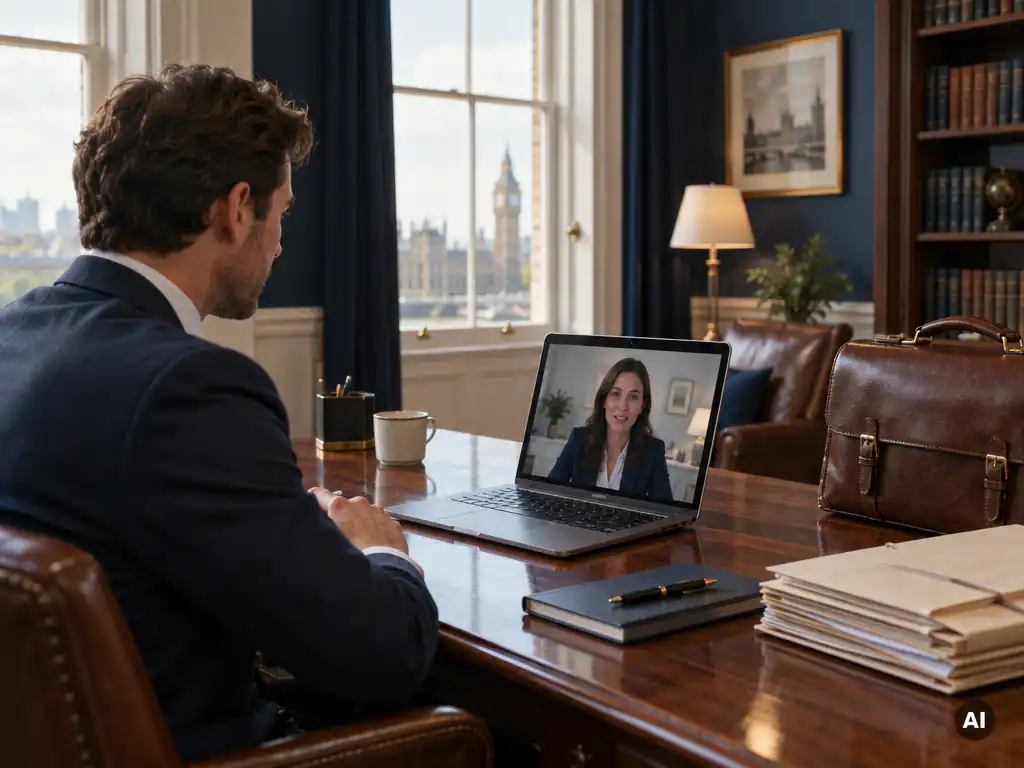
A remote coverholder audit reviews a coverholder's files, systems and controls through video calls and shared documents, while an on-site coverholder audit sends auditors to the coverholder's premises to observe people, processes and records in person. Both test compliance with the binding authority and regulatory requirements. They differ mainly in evidence depth, cost and the level of operational insight they provide.
The right choice depends on the coverholder's risk profile, the complexity of its delegated authority and what the previous audit found. The sections below explain when each method fits and how to choose between them.
When does a remote audit make sense for a coverholder?
A remote audit makes sense when a coverholder presents lower or well-understood risk, has digital records that can be shared securely, and has a clean audit history. It suits straightforward delegated underwriting arrangements where the key controls can be evidenced through documents, system reports and structured interviews.
Typical scenarios include:
- A follow-up review to confirm that previous recommendations have been closed
- A coverholder with a stable book, consistent performance and no material complaints
- A geographically remote location where travel is disproportionate to the risk
- A limited-scope review, such as a pre-bind check or a focused look at claims or complaints handling
Remote working also supports more frequent oversight. A shorter, targeted remote review between full audits lets an insurer keep a closer watch on a delegated authority without the burden of repeated travel.
What can an on-site audit uncover that a remote audit cannot?
An on-site audit can uncover how a coverholder actually operates day to day, not only how its procedures describe the work. Auditors can observe underwriting decisions, see how staff use systems, test physical security and speak with team members informally. These insights are harder to obtain through a screen.
Several issues tend to surface more readily in person:
- Gaps between procedure and practice: A manual may describe a referral process that staff rarely follow. Watching a live case being handled reveals this quickly.
- Culture and competence: Auditors form a view of staff knowledge, supervision and attitude to compliance through direct conversation.
- Data security and premises controls: Clear desk practices, access controls and the handling of paper records are difficult to verify remotely.
- Unscripted answers: Staff are less able to rely on rehearsed responses when auditors can move freely between teams and ask follow-up questions on the spot.
A practical example: a remote file review may show that every policy carries the correct referral note. On site, an auditor may discover that the note is added retrospectively before an audit rather than at the point of referral. That distinction matters to a Lloyd's coverholder audit and is much harder to detect remotely.
How do remote and on-site coverholder audits compare on cost, time and scope?
Remote audits generally cost less and take less time because they remove travel and accommodation, but they offer a narrower view of operational reality. On-site audits cost more and require more scheduling effort, yet they allow broader scope and deeper testing. The trade-off is efficiency against depth of assurance.
Cost and time
Remote work removes travel costs and the days lost to journeys, and it can be scheduled more flexibly around the coverholder's workload. On-site work requires travel, coordination of staff availability and usually a concentrated block of time at the premises.
Scope and evidence
Remote audits rely heavily on documents and system extracts the coverholder chooses to share, which can limit the independence of sampling. On-site audits give auditors direct access to systems and files, making it easier to select samples freely and follow a transaction from start to finish.
Cost should never be the only factor. A cheaper method that misses a material control failure is poor value for an insurer responsible for its delegated authority oversight.
What risk triggers should decide the audit method?
Risk triggers should decide the audit method, with higher or changing risk pointing towards an on-site visit and stable, low risk pointing towards remote review. The decision should rest on evidence about the coverholder, not on convenience or habit.
Consider these triggers in order:
- Adverse previous findings: Significant or repeated findings in earlier audits warrant a physical visit to test whether remediation is real.
- New or expanded authority: A new binding authority, a new class of business or a material increase in limits calls for closer scrutiny.
- Performance warning signs: Unexpected loss ratio movements, premium bordereaux errors, late reporting or a rise in complaints suggest a need to look closer.
- Change in the business: A change of ownership, key personnel, systems or operating model can alter the control environment overnight.
- Complexity of the product: Specialist or non-standard risks often depend on underwriter judgement that is best assessed in person.
Where none of these triggers apply and the coverholder has a good record, a remote review is usually proportionate.
How should a coverholder prepare for a remote or on-site audit?
A coverholder should prepare by gathering complete, organised evidence in advance, confirming that the right people are available, and reviewing its own compliance against the binding authority. Good preparation shortens the audit, reduces avoidable queries and presents the business accurately.
Useful preparation steps include:
- Reading the binding authority agreement again and checking current practice against each obligation
- Assembling policies, procedures, referral logs, bordereaux, claims files and complaints records
- Confirming that key staff, such as underwriters, claims handlers and the compliance lead, can attend
- Closing out actions from previous audits and recording the evidence
For a remote audit, test the technology beforehand and agree a secure method for sharing documents. For an on-site audit, arrange a suitable room, system access and a named contact for the auditors. In both cases, openness about known weaknesses usually reflects better than concealment.
Is a hybrid audit approach better than choosing one method?
A hybrid audit approach is often the more effective option because it combines the efficiency of remote review with the depth of an on-site visit. Auditors review documents and data remotely first, then use the on-site visit to test the areas that raised questions, which makes the visit more focused.
In practice, a hybrid model might involve a remote desktop review of policies, bordereaux and management information, followed by a shorter site visit to observe processes, interview staff and verify the points that need confirmation. This can reduce time on site while keeping the assurance an insurer needs.
A hybrid approach is not automatically better for every coverholder. A low-risk MGA with a strong record may need only a remote review, and a high-risk arrangement may justify a full on-site audit. The best method is the one proportionate to the risk, supported by clear reasons that can be explained to the coverholder and to regulators.
How Otter Audit helps with coverholder audits
Choosing between a remote, on-site or hybrid review is easier with an experienced, independent view of the risk. Otter Audit's team of ACII-qualified Chartered Insurers has visited over 500 insurance firms across 50 countries and works with more than 60 insurers, so the audit method is matched to the coverholder rather than applied by default.
Through its delegated authority audits, Otter Audit provides:
- Delegated underwriting, claims, run-off, pre-bind and complaints audits
- Remote, on-site and hybrid delivery based on risk
- Clear reports that explain each finding, its significance and the reasoning behind recommendations
- Reports delivered within agreed deadlines
To discuss the right audit approach for your delegated authority arrangements, contact Otter Audit today.
Related Articles
- What information is needed before a coverholder audit begins?
- How should insurers prepare their intermediaries for an audit?
- How do auditors decide which underwriting files to review?
- How do auditors conduct interviews with coverholder staff?
- How can insurers tell whether an audit methodology is sufficiently thorough?