
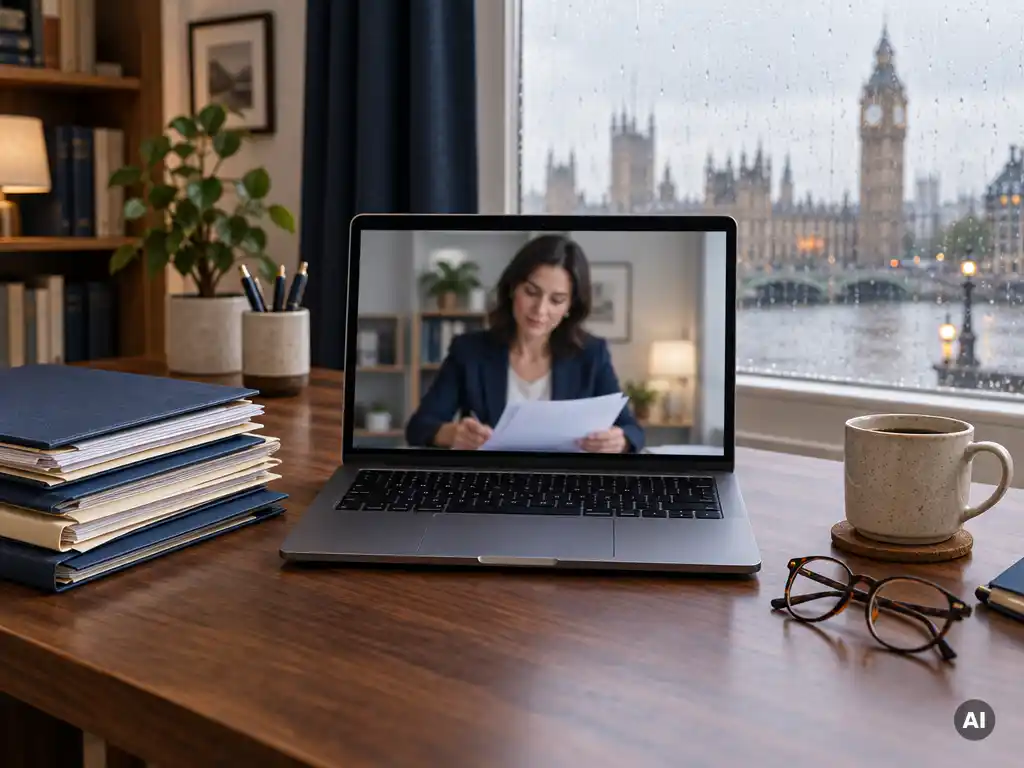
Yes, parts of an insurance audit can be completed entirely remotely, but a fully remote delegated authority audit is not appropriate in every case. Whether it works depends on the risk profile of the coverholder or intermediary, the quality of its digital records, and what the capacity provider requires.
Remote methods are now an established part of audit methodology, and the sections below set out what works, what does not, and how to decide.
Which parts of a delegated authority audit work remotely?
Most document-based and system-based testing can be done remotely. This includes reviewing binding authority agreements, underwriting guidelines, policy files, claims files, complaints logs and management information, provided the intermediary can share records securely and in full.
In a remote delegated underwriting audit, the auditor typically works through:
- Sampled policy and quote files, tested against the agreed underwriting authority
- Premium and bordereaux reconciliations
- Claims files, reserving and settlement authority checks
- Complaints registers and root cause analysis
- Policies, procedures and training records
- Interviews with underwriters, claims handlers and compliance staff by video call
Screen sharing can also let an auditor watch a live walkthrough of the policy administration system, which often reveals how controls operate in practice.
What are the limits of a fully remote audit?
A fully remote audit cannot reliably test what happens beyond the documents and the screen. Physical security, working culture, informal practices and the gap between written procedure and daily behaviour are far harder to judge over video.
The main limitations are:
- Data integrity: The auditor sees only what is shared, so selective or curated samples are harder to detect.
- Observation: It is difficult to see how staff really handle files, escalate referrals or use authority limits.
- Information security: Clean desk practice, access controls and premises security cannot be verified remotely.
- Candour of interviews: Staff may be less open on camera, particularly with management present.
- Technology: Poor connections and restricted file access can slow testing and reduce coverage.
These limits do not make remote work invalid. They mean the auditor must record clearly what could and could not be tested, so the report does not overstate its assurance.
Do Lloyd's and other insurers accept remote audits?
Many capacity providers, including insurers in the Lloyd's, London and company markets, accept remote audits in appropriate circumstances. Acceptance is not universal, however, and each insurer sets its own oversight requirements, so the audit scope and format should be agreed with the capacity provider in advance.
Factors that tend to influence acceptance include the size and complexity of the delegated authority, the class of business, the intermediary's previous audit results and the territory involved. A long-standing coverholder with a clean track record and strong electronic records is a stronger candidate for a remote review than a new relationship or a high-risk book.
Anyone commissioning an audit should check the specific contractual and market requirements that apply to the arrangement rather than assuming remote work will satisfy them.
What is the difference between remote, hybrid and on-site audits?
A remote audit is conducted entirely off site using shared documents and video calls. An on-site audit takes place at the intermediary's premises. A hybrid audit combines the two, usually with file testing done remotely and a shorter visit for interviews, observation and walkthroughs.
Remote audits
Remote audits reduce travel time, cost and scheduling friction, and they suit lower-risk arrangements or follow-up reviews. They rely heavily on the quality of the information provided.
Hybrid and on-site audits
Hybrid audits balance efficiency with assurance, and are often a practical choice for medium-risk arrangements. Full on-site audits give the broadest view of culture, controls and systems, and remain the most thorough option for complex or higher-risk delegated authorities.
When should an on-site visit be required?
An on-site visit should be required whenever the risks cannot be adequately tested from a distance. Typical triggers include a new delegated authority relationship, poor previous audit results, significant changes in management or systems, unusually high premium volumes and concerns about governance or conduct.
Other situations that usually justify attendance in person:
- Material findings from a previous audit that need verification of remediation
- Complex or specialist products where the underwriting process needs direct observation
- Delegated claims authority with large settlement limits
- Concerns about data security or outsourced operations
- Any case where remote file access was incomplete or inconsistent
Where a visit is not possible, the audit report should state the restriction clearly and recommend a visit when circumstances allow.
How can intermediaries prepare for a remote audit?
Intermediaries prepare best by organising complete, accurate records in advance, confirming secure sharing arrangements and making the right people available. Good preparation shortens the audit, reduces follow-up queries and helps the auditor reach well-evidenced conclusions.
Practical steps include:
- Agree the scope, timetable and sample selection with the auditor beforehand
- Prepare policy, claims and complaints files in a consistent, easily navigable format
- Check that the secure file transfer method is approved by your information security team
- Test video conferencing and screen sharing before the audit date
- Ensure underwriters, claims handlers and compliance staff are available for interviews
- Provide current versions of procedures, authority limits and training records
Supplying everything requested, including awkward files, supports a more credible report and a more constructive relationship with the capacity provider.
How Otter Audit helps with remote and hybrid insurance audits
Otter Audit's ACII-qualified auditors conduct delegated authority audits across more than 50 countries, and they help insurers and intermediaries choose the right audit format for each arrangement. The team designs remote, hybrid and on-site reviews around the risk, with reports that are clear, actionable and delivered on time.
- Delegated underwriting, claims, complaints, run-off and pre-bind audits
- Advice on whether a remote, hybrid or on-site approach is appropriate
- Clear reporting that explains findings and the reasoning behind recommendations
- Experience across diverse and specialist insurance products
To see the full range of review types, explore our delegated authority audits, or contact the team to discuss which audit format suits your delegated authority arrangements.
Related Articles
- How are risk-based insurance audits different from standard audits?
- What happens after the fieldwork stage of a coverholder audit?
- When is an on-site delegated authority audit necessary?
- What happens when audit evidence is incomplete or inconsistent?
- How can insurers tell whether an audit methodology is sufficiently thorough?